
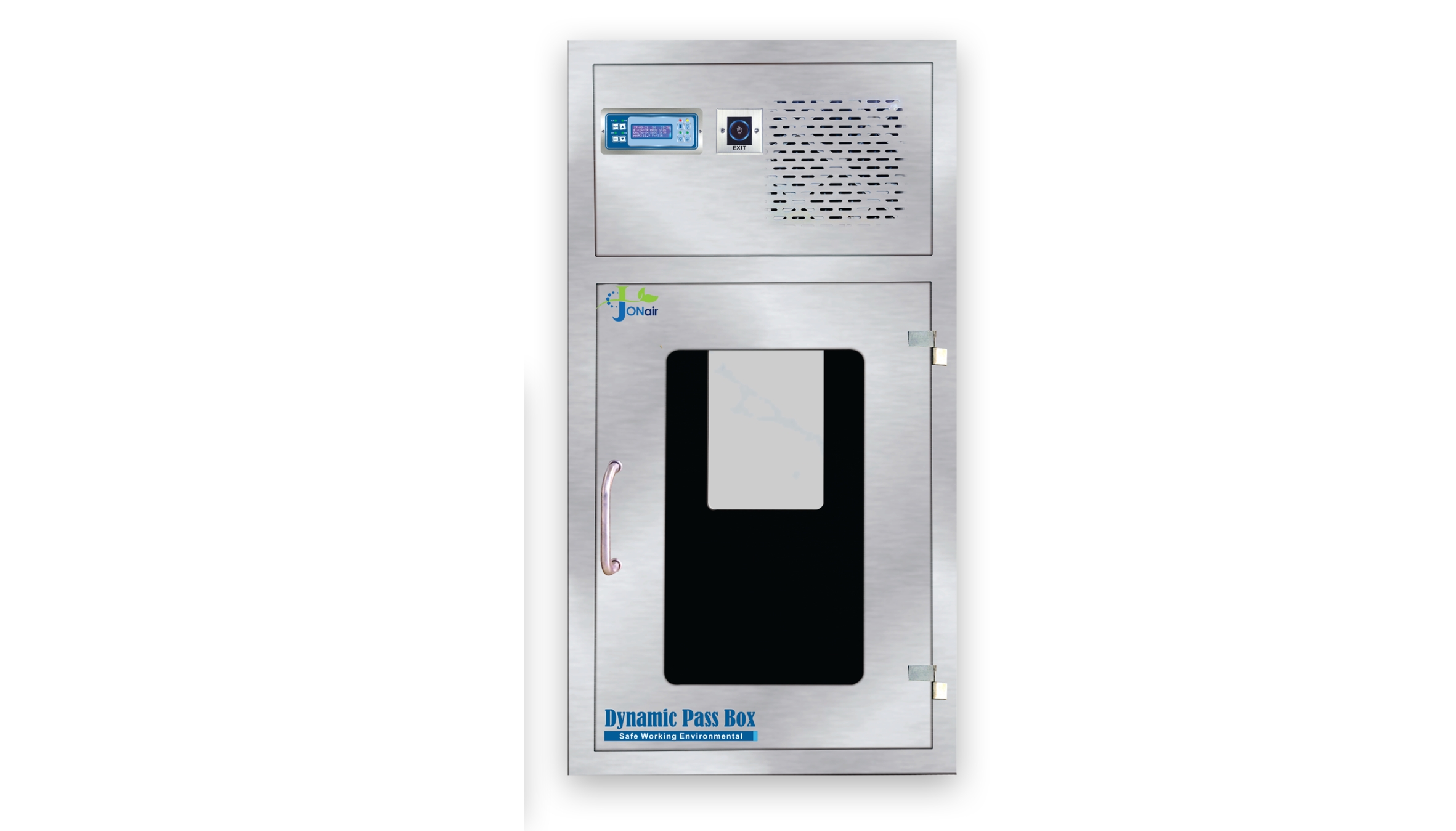
Dynamic Pass Box
Key Features
- Premium Quality Manufacturing
- Built with International Quality Standards
- High Performance & Long Service Life
- Energy Efficient Design
Product Description
You’ll find a Dynamic Pass Box at the entryway to clean rooms. They are simple to set up and can be adapted to fit into preexisting infrastructure, significantly reducing the risk of particulate contamination. The electromagnetic interlocking on these containers allows only one door to open at a time, preventing contamination.
Using a Dynamic Pass Box facilitates the transfer of materials through a restricted area with minimal human intervention. Moreover, this container helps prevent the spread of contaminants within a clean room or between different security zones. In other words, the Clean Room Pass Box.
What is a Dynamic Pass Box?
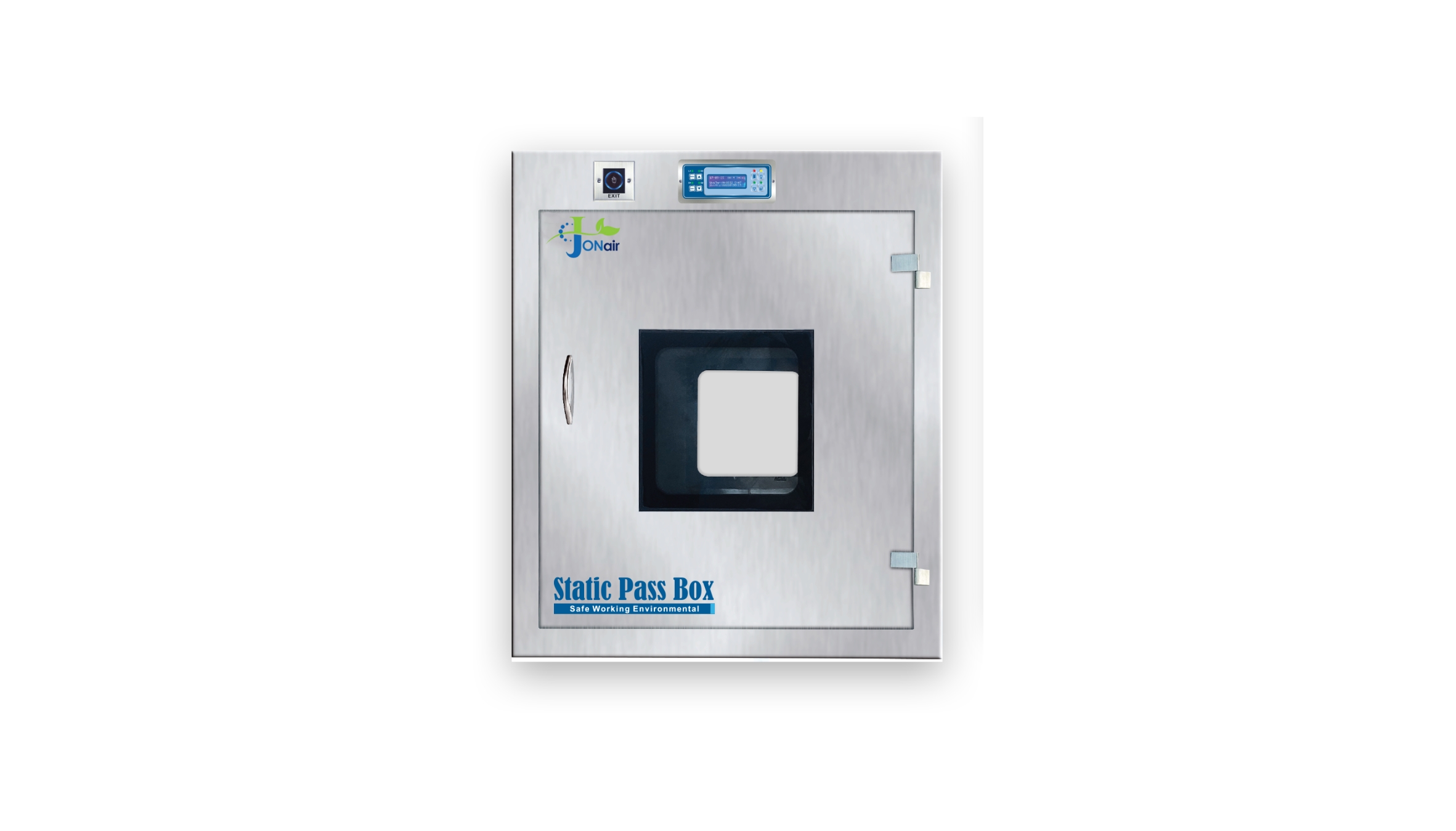
A Dynamic Pass Box is an actively ventilated cleanroom transfer chamber fitted with a HEPA filter and a blower/fan, used to move materials between two areas of different cleanliness classification without letting contaminated air pass through. Unlike a Static Pass Box, which simply acts as a sealed transfer chamber, a Dynamic Pass Box continuously filters and recirculates the air inside it during the transfer cycle, actively flushing out airborne particles before the receiving door is opened.
How a Dynamic Pass Box Works
A Dynamic Pass Box works by combining three elements: an enclosed stainless-steel chamber, a HEPA-filtered air circulation system, and a door interlocking mechanism.
Working Process
- Loading — The operator opens the door on the “dirty” or lower-classification side and places the material inside the chamber.
- Door Locking — Once the door is closed, the interlocking system electronically or mechanically locks it, preventing the opposite door from opening at the same time.
- Air Purge Cycle — The built-in blower draws air through a HEPA (or ULPA) filter and circulates it inside the chamber in a laminar pattern, flushing out airborne particles for a pre-set duration (commonly 15–60 seconds, adjustable).
- Pressure Stabilization — Continuous filtered airflow creates a mild positive pressure inside the chamber relative to the lower-grade side, preventing back-contamination.
- Unloading — Once the purge cycle completes, the interlock releases the second door, and the operator retrieves the material from the clean side.
Electromagnetic vs Mechanical Interlocking
- Electromagnetic interlocking: Uses sensors and a control panel to lock/unlock doors automatically, often paired with a purge timer and indicator lights. Preferred for GMP-critical and Class A/B environments.
- Mechanical interlocking: Uses a physical linkage so that only one door can be opened by hand at a time. Simpler, lower cost, and commonly used in less critical cleanroom zones.
Dynamic Pass Box vs Static Pass Box
| Parameter | Dynamic Pass Box | Static Pass Box |
|---|---|---|
| Air filtration | Yes — HEPA/ULPA filter with fan | No active filtration |
| Airflow | Continuous laminar circulation during purge cycle | No forced airflow |
| Typical use case | Transfer between different cleanliness classes (e.g., non-classified area to ISO Class 5–7 cleanroom) | Transfer between areas of the same cleanliness class |
| Contamination control | Higher — actively removes airborne particles | Lower — relies only on sealed chamber and interlocking |
| Power requirement | Yes (fan/blower + controls) | No (fully passive) |
| Cost | Higher | Lower |
| Common industries | Sterile pharma manufacturing, biotech, Class 100 cleanrooms | General pharma, hospitals, light industrial cleanrooms |
Key Features of Our Dynamic Pass Box
- Full stainless steel (SS304, SS316 optional) double-walled construction
- HEPA filter (0.3-micron rated) with washable/replaceable pre-filter
- Electromagnetic or mechanical door interlocking (only one door opens at a time)
- Integrated centrifugal blower for continuous laminar airflow
- Optional UV-C germicidal lamp for additional sterilization
- Toughened glass viewing window on doors
- LED interior illumination
- Digital pressure/differential gauge (optional)
- Buzzer alarm for door status
- Smooth, coved internal corners for easy cleaning and validation
Benefits of Using a Dynamic Pass Box
- Actively reduces airborne particulate contamination during material transfer
- Minimizes personnel movement in and out of the cleanroom, lowering contamination risk
- Supports GMP and ISO 14644 compliance for classified areas
- Reduces gowning frequency and associated downtime
- Protects sensitive pharmaceutical, biotech, and electronic products from particulate damage
- Simple to install into new or existing cleanroom wall partitions
- Low maintenance when paired with a scheduled filter-replacement plan
Industries & Applications
Dynamic Pass Boxes from Getrus International are used across:
- Pharmaceutical manufacturing (sterile and aseptic processing areas)
- Biotechnology and life sciences research
- Hospitals and blood banks
- IVF and andrology laboratories
- Electronics and semiconductor cleanrooms
- Food and beverage processing facilities
- Cosmetics manufacturing
- Research and quality-control laboratories
Typical use case: transferring raw materials, components, or finished sterile products between a general production area and a Class A/B aseptic filling zone without breaking cleanroom integrity or requiring personnel gowning for a short transfer.
Compliance & Industry Standards
A Dynamic Pass Box used in regulated environments should be designed and validated against:
- ISO 14644-1 / ISO 14644-2 — Cleanroom classification and monitoring
- GMP / cGMP guidelines — Good Manufacturing Practice requirements for pharmaceutical facilities
- WHO-GMP and Schedule M (India) — For pharmaceutical manufacturers supplying regulated markets
- CE marking — For equipment supplied to European markets
- Airflow visualization/smoke studies performed as part of IQ/OQ/PQ validation, consistent with IEST recommended practices
Getrus International designs Dynamic Pass Boxes to support these validation requirements; documentation and test certificates are provided on request. See our Certifications page for details.
Installation Guide
- Confirm wall opening dimensions match the pass box’s external frame size before fabrication.
- Position the unit so both doors align with the two areas of differing cleanliness class it will serve.
- Seal the frame into the wall partition using an airtight gasket to prevent air leakage around the unit.
- Connect the electrical supply for the blower, interlocking system, and any optional UV/LED accessories.
- Test the interlocking mechanism to confirm only one door can open at a time.
- Run an initial HEPA filter integrity check and airflow velocity test before commissioning.
- Complete IQ/OQ documentation if the unit is being installed in a GMP-regulated facility.
Pass boxes are plug-and-use once wired and sealed; no specialized civil work is required beyond the wall cut-out.
Maintenance & Care Guide
- Inspect and clean door gaskets monthly for wear or air leakage.
- Replace pre-filters every 3–6 months depending on usage and ambient dust load.
- Test HEPA filter integrity (DOP/PAO test) annually or per your facility’s validation schedule.
- Wipe down interior stainless steel surfaces with a suitable disinfectant after each shift or as per SOP.
- Check interlocking mechanism and door seals quarterly to confirm proper function.
- Monitor blower motor performance and airflow velocity periodically; replace worn bearings promptly to avoid airflow drop.
- Keep a maintenance log for audit and regulatory inspection readiness.
Safety Instructions
- Never attempt to force open both doors simultaneously; the interlock is a contamination-control safety feature, not an inconvenience.
- Do not overload the chamber beyond its rated internal dimensions.
- Ensure the unit is properly earthed/grounded before electrical connection.
- If a UV-C lamp is fitted, never operate it with the door open or while personnel are near the chamber.
- Report any unusual noise, reduced airflow, or interlock failure to maintenance immediately and take the unit out of service until inspected.
Why Choose Getrus International as Your Dynamic Pass Box Manufacturer
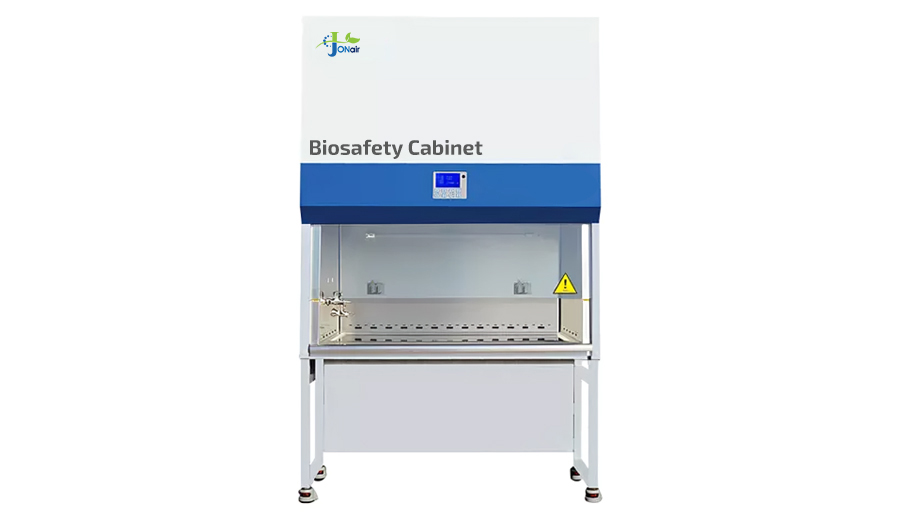
As a dedicated Dynamic Pass Box Manufacturer, Getrus International engineers pass boxes for pharmaceutical, biotechnology, hospital, and industrial cleanrooms from our manufacturing unit in Bahadurgarh, Haryana. Every unit is built in stainless steel with application-specific filtration, interlocking, and accessory configurations, and is backed by our broader clean room equipment range — including Static Pass Box, Laminar Air Flow, Air Shower, and Biosafety Cabinet systems — so facilities can source a complete cleanroom transfer and containment solution from one manufacturer.
- Precision engineering from an ISO-oriented manufacturing facility
- Custom sizing to match existing cleanroom wall openings
- Full after-sales support and spare parts availability
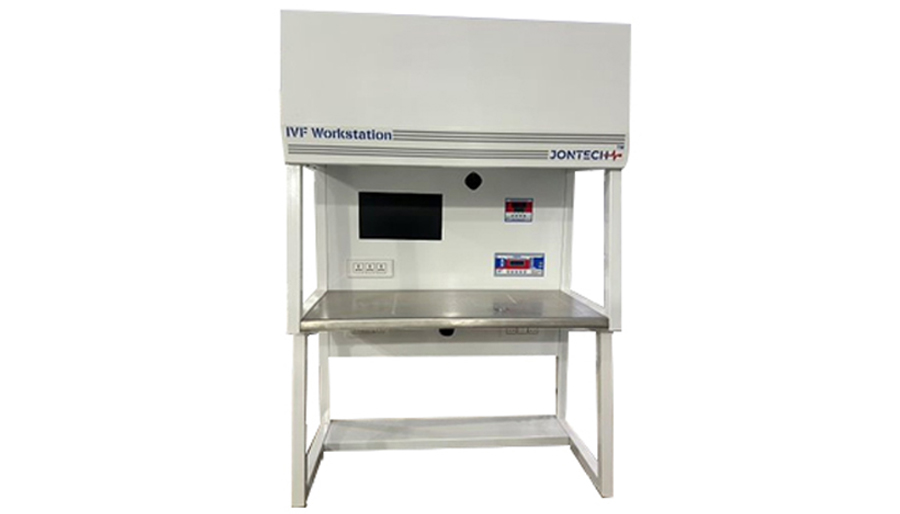
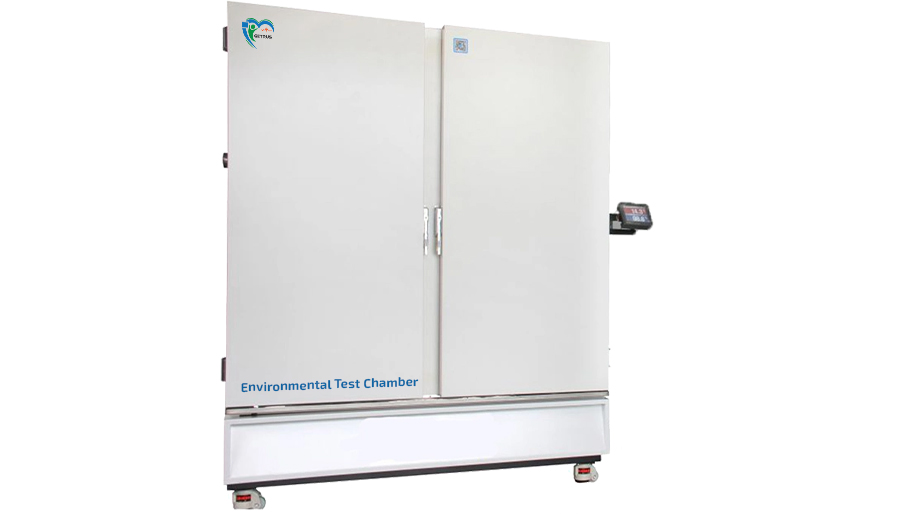
- One-stop sourcing alongside related cleanroom, IVF, and test-chamber equipment lines
- Direct manufacturer pricing — no intermediary markup
Frequently Asked Questions (FAQs)
1. What is a Dynamic Pass Box used for?
A Dynamic Pass Box is used to transfer materials, tools, or components between a cleanroom and a non-classified area (or between two areas of different cleanliness grades) without allowing airborne contamination to enter the classified space. It actively filters and circulates air inside the chamber during the transfer, unlike a static pass box which has no active filtration.
2. What is the difference between a Dynamic Pass Box and a Static Pass Box?
A Dynamic Pass Box has a HEPA filter and a blower that actively circulates filtered air inside the chamber, making it suitable for transfers between different cleanliness classes. A Static Pass Box has no filtration or airflow system and is only suitable for transfers between areas of the same cleanliness class.
3. What material are Dynamic Pass Boxes made of?
Dynamic Pass Boxes are typically constructed from SS304 stainless steel, with SS316 stainless steel available as an upgrade for facilities requiring higher corrosion resistance, such as those handling aggressive cleaning chemicals or operating in humid environments.
4. What is the difference between mechanical and electromagnetic interlocking?
Mechanical interlocking uses a physical linkage between the two doors and is a simpler, lower-cost option. Electromagnetic interlocking uses sensors and a control panel to lock and release doors automatically, often with a purge timer, and is preferred for GMP-critical, audit-tracked cleanroom areas.
5. What filter does a Dynamic Pass Box use?
Most Dynamic Pass Boxes use a HEPA filter rated H13 or H14, with filtration efficiency of 99.97%–99.995% at 0.3 microns. ULPA filters are available as an upgrade for ultra-critical applications requiring even finer particle capture.
Final Thoughts
A Dynamic Pass Box is one of the simplest ways to protect a cleanroom’s integrity during everyday material transfer — but only when it’s built to the right specification for your cleanliness class, filtration needs, and interlocking requirements. Getting the sizing, HEPA grade, and door mechanism right at the design stage saves facilities from costly rework or compliance gaps later, which is why working with an experienced Dynamic Pass Box Manufacturer matters as much as the equipment itself.
At Getrus International, every Dynamic Pass Box is engineered in stainless steel, tested for airflow and filtration performance, and configured around your facility’s actual layout — not a fixed catalog size. Whether you’re setting up a new pharmaceutical filling line, upgrading a hospital cleanroom, or fitting out a biotech lab, our team can help you choose the right size, filtration grade, and accessories for your application.
Ready to move forward?
Get a Quote for your Dynamic Pass Box requirement, or explore our Clean Room Equipment range for a complete facility fit-out.
Call us: +91 9717076743
Email: info@getrusinternational.com
Products Might Be Helpful For You
Product Categories
Check out our huge range of product types. We've got special fixes and exact lab gear for all your science needs. Our big lineup stands out – it's top-notch and clever.